


Eastern Redcedar | Mini-Grow Kit
Original price was: $12.00.$8.40Current price is: $8.40.
- Shop the Best Quality Online
- Enjoy top quality items for less
- Online assistance, always at your service.
- No-Questions-Asked Returns

- Grow your own tree from seed!
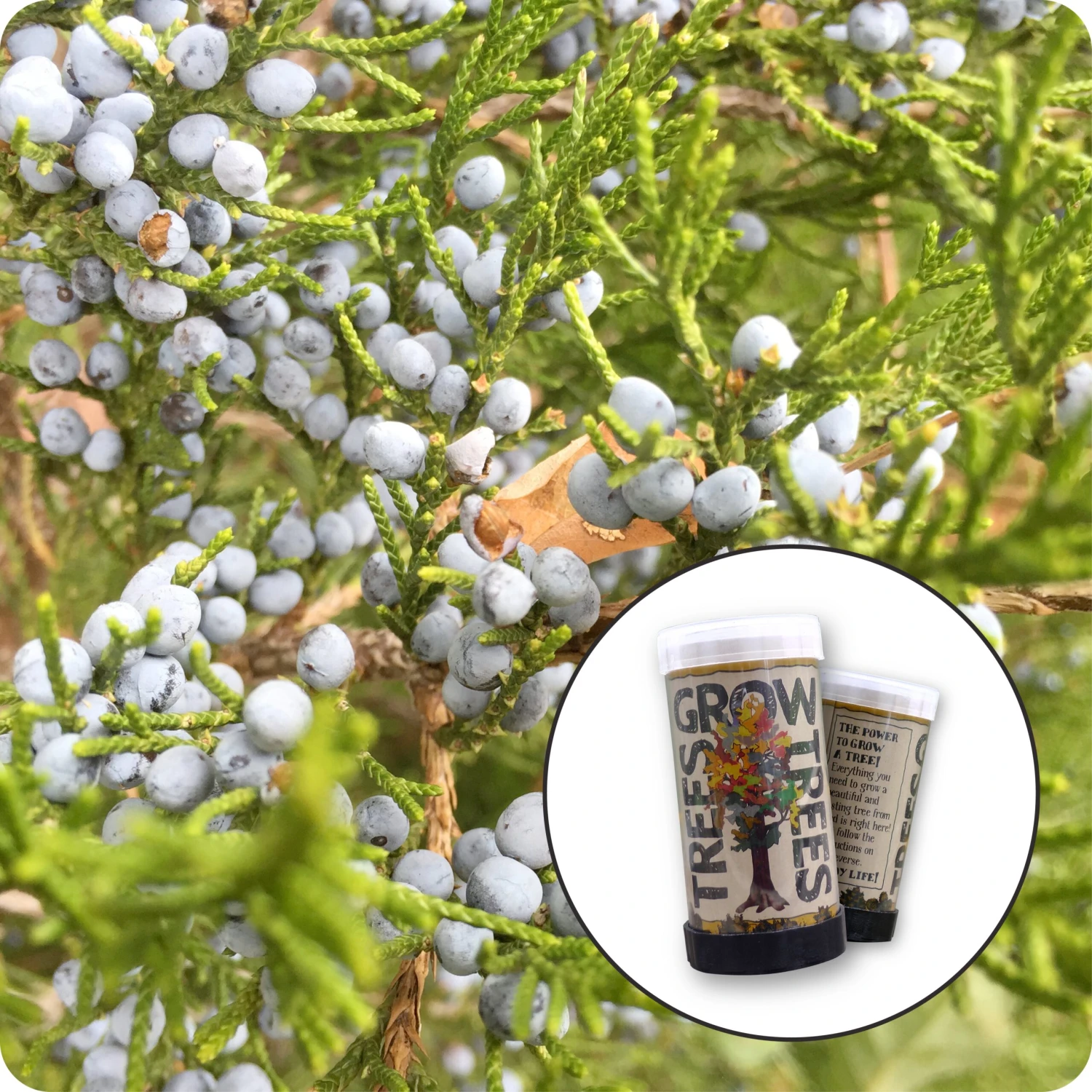
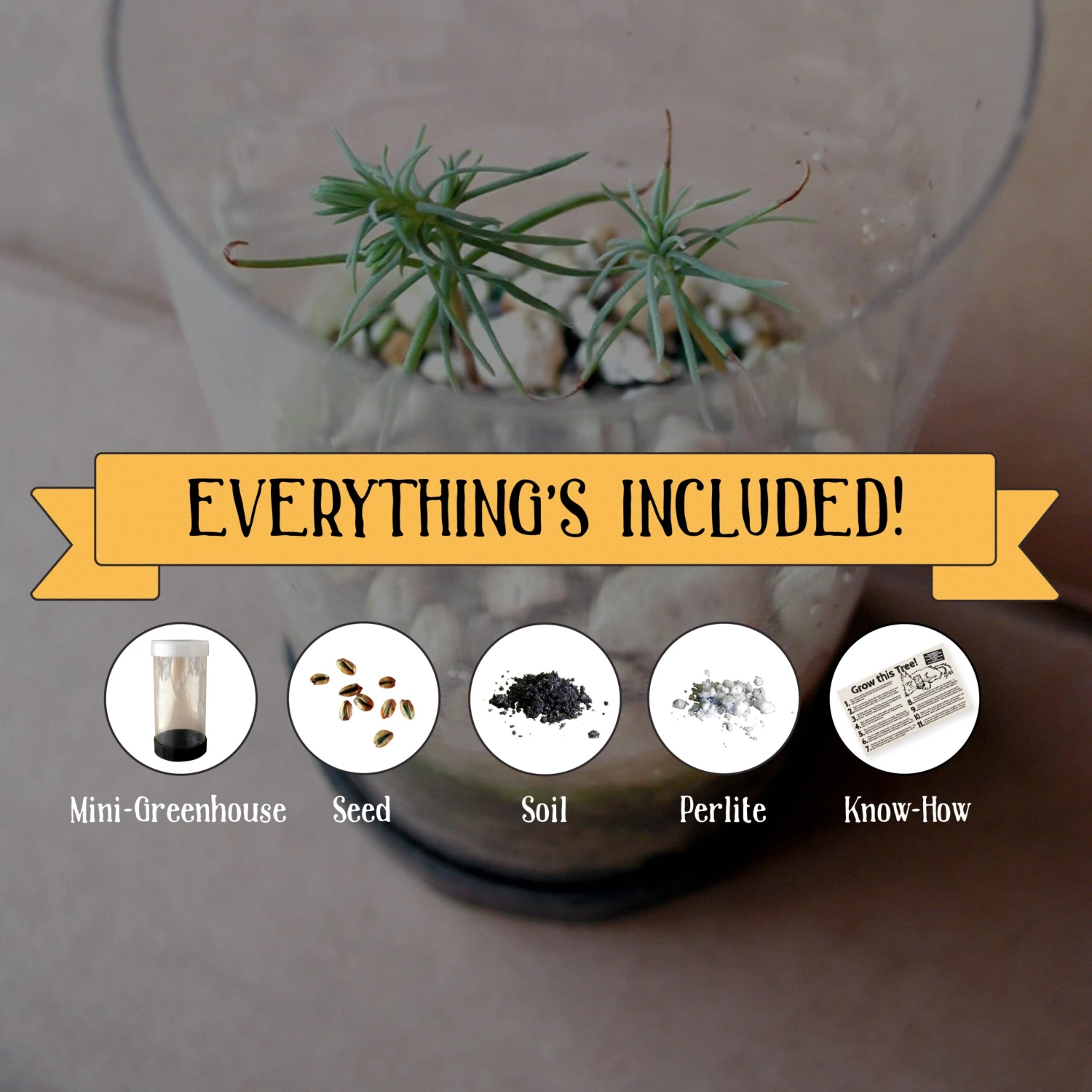
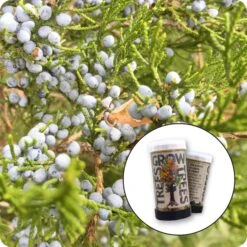
- Includes absolutely everything you need to grow Eastern Red Cedar (Juniperus virginiana) from seed: seeds, growing medium, a mini-greenhouse, and detailed instructions
- 100% guaranteed: If your seed fails to germinate or your seedling perishes, we are happy to provide free replacement seed
- Great for kids and adults, amateurs to experts!
- A universal symbol of life, regrowth and recovery, enduring friendships and new beginnings, a tree is a wonderful gift that will only grow in value, meaning, and beauty
About Eastern Redcedar
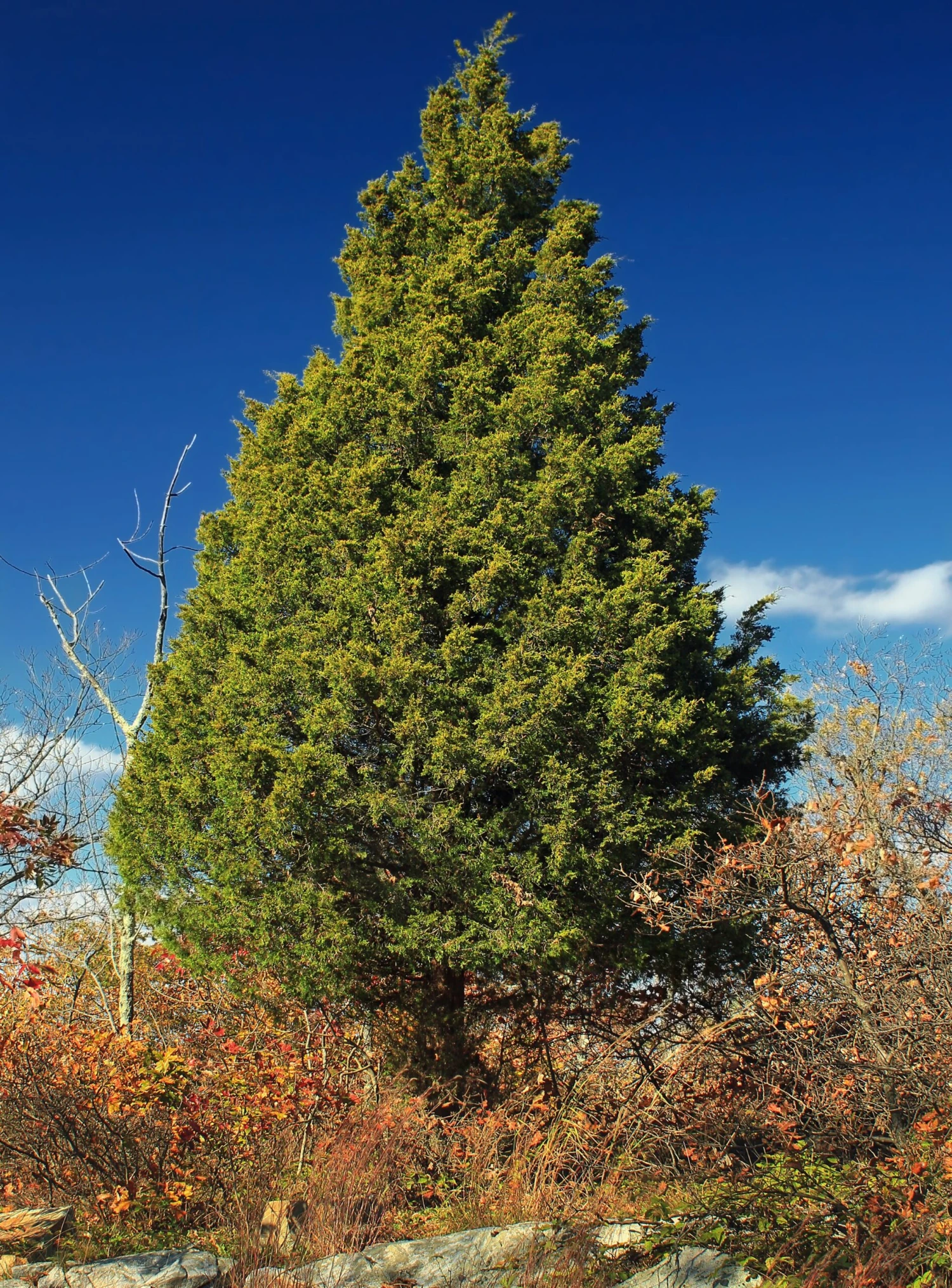
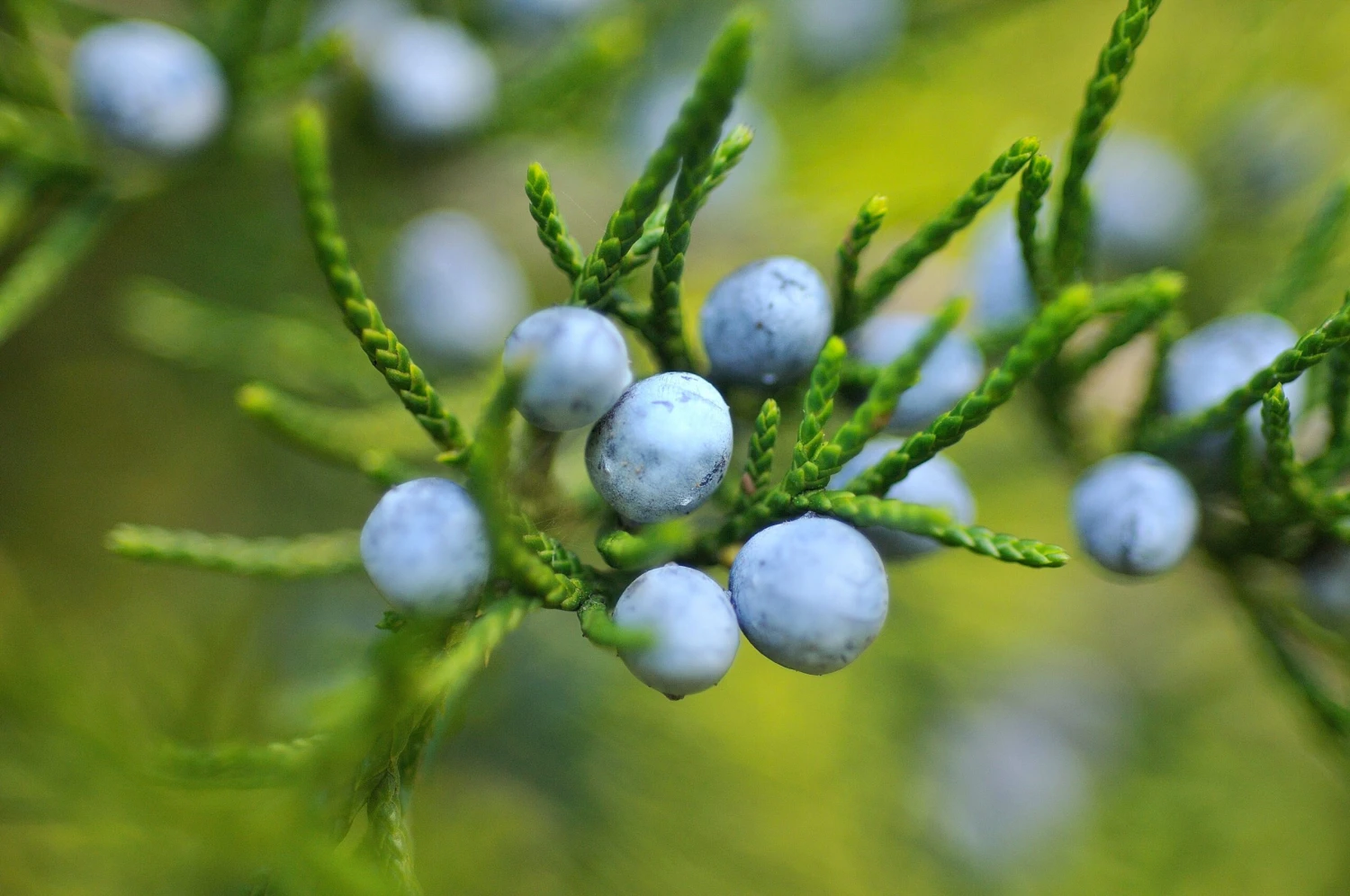
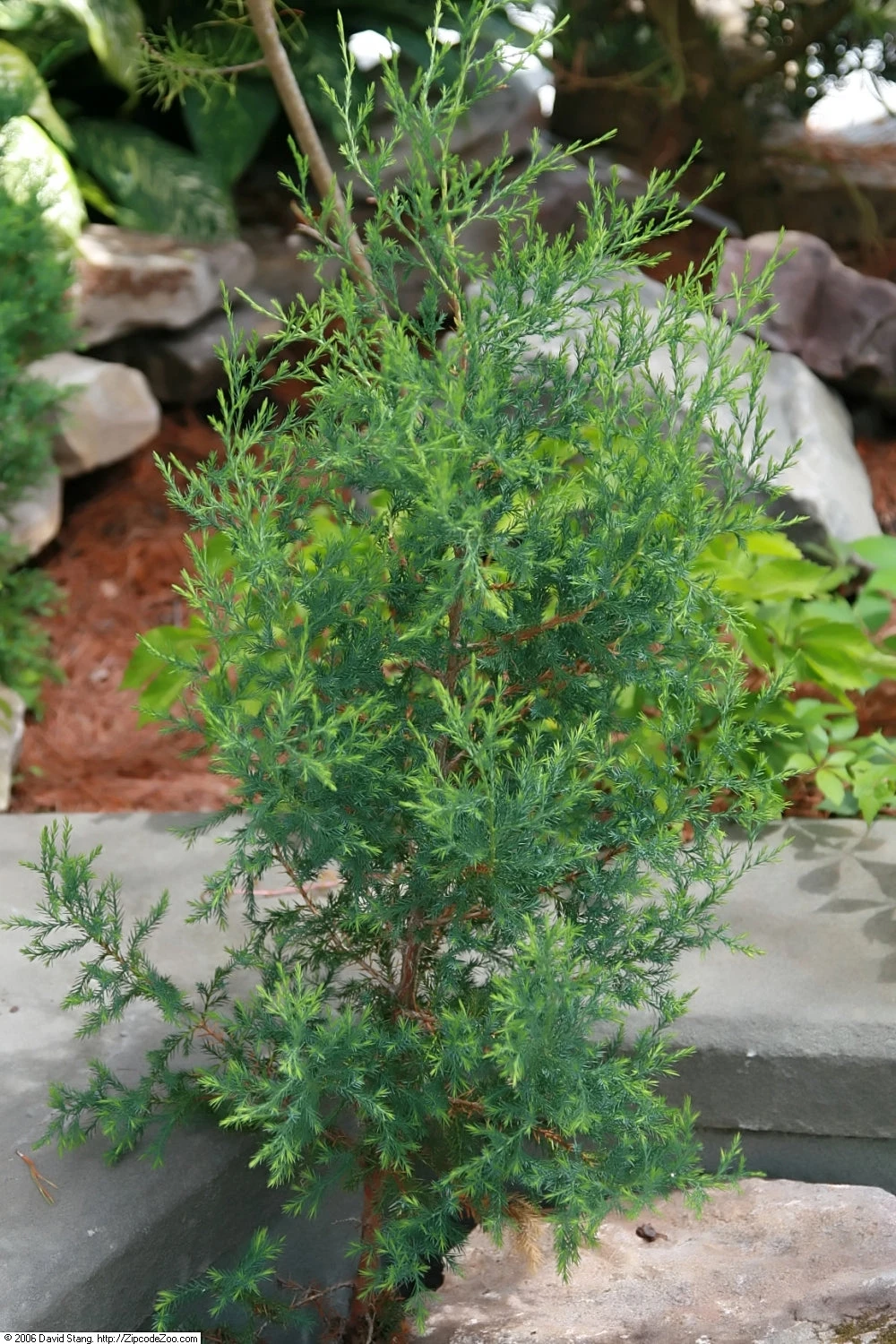
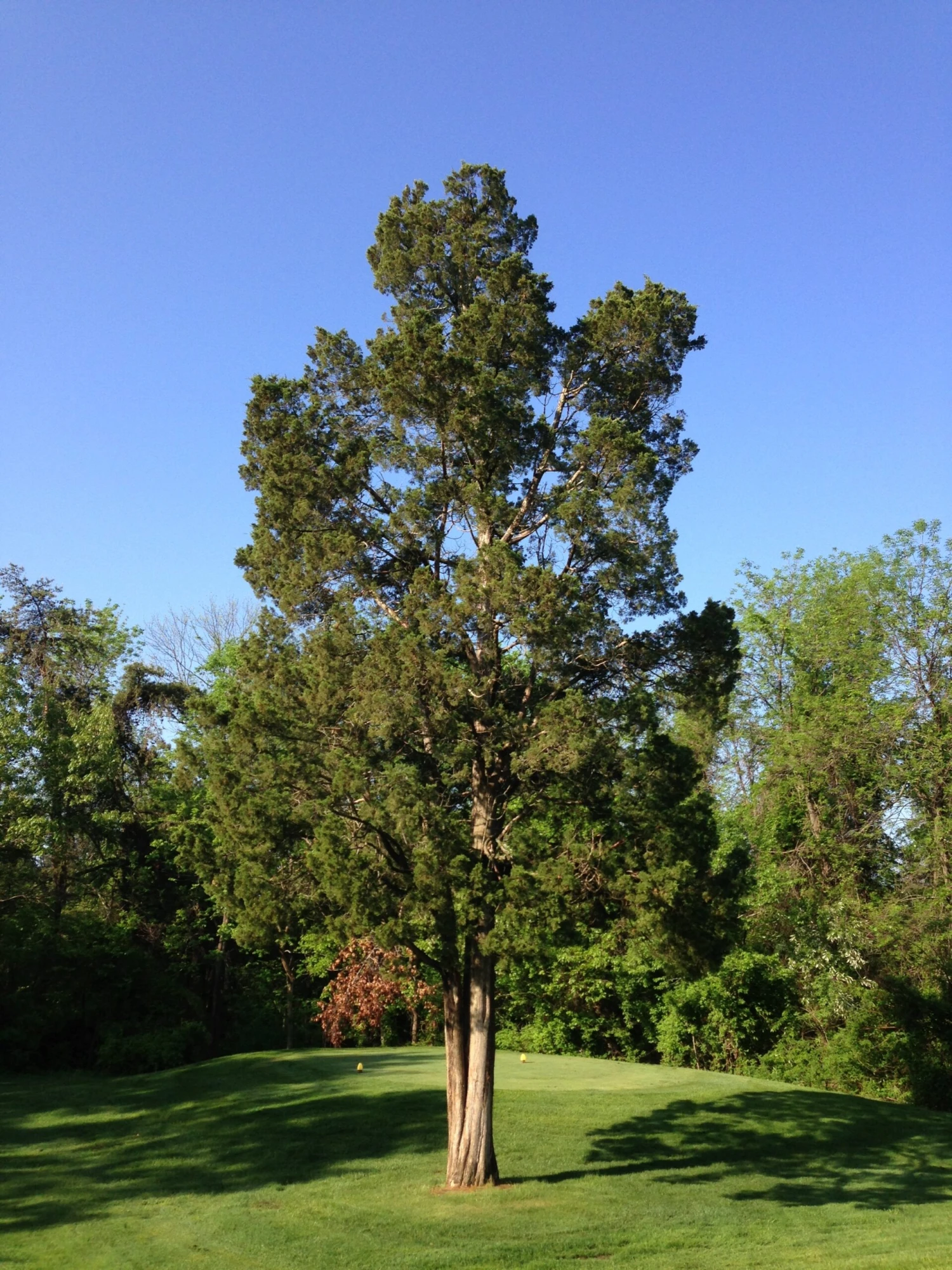
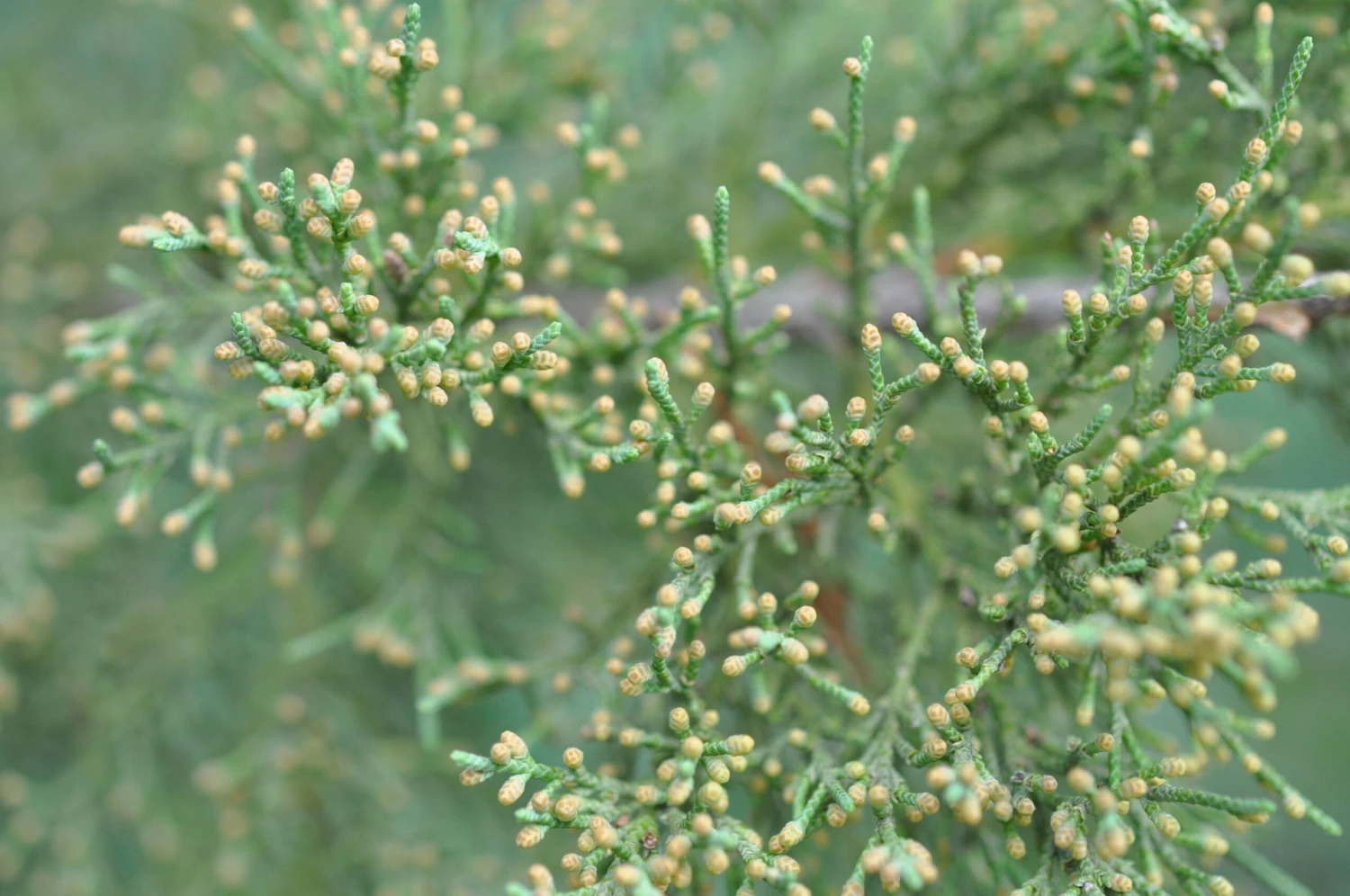
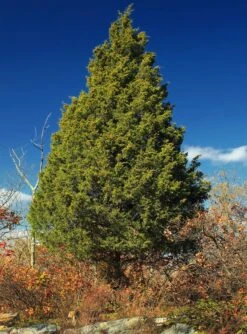
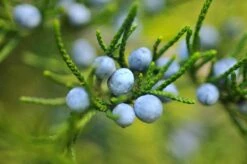
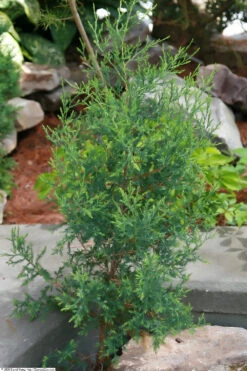
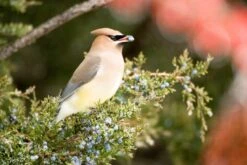
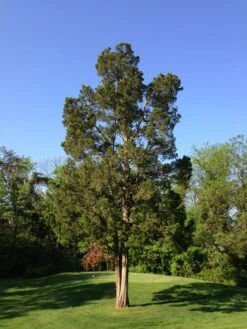
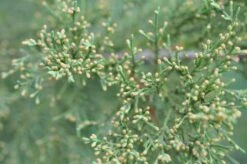
Growing to heights between 20 – 70 feet, with trunk diameters reaching 1 – 3 feet across, this is typically an upright, symmetrical, and neatly conical evergreen tree — in the Missouri, Oklahoma and Arkansas Ozarks, Eastern Redcedar is even used as a Christmas Tree species. Foliage appears in two distinctive forms: new growth is needle-like and spiky, while older, scale-like leaves press tightly against the twig. Cones, which can grow up to 0.25 inches-long, closely resemble berry-like fruit: globose, small, and dark purple-blue with a waxy sheen. They are a favorite of the Cedar Waxwing, and support a host of other wildlife, including wild turkeys, bears, rabbits, foxes, coyotes, and deer. Bark is reddish-brown and fibrous, exfoliating in narrow strips.
The wood of Eastern Redcedar has traditionally been used in fence building for its rot resistance, and in the construction of chests and closets for its fragrance and moth-repellant qualities. Native Americans once used the wood to mark out hunting territories. The city of Baton Rouge, Louisiana (which literally means “red stick”), was so-named by the French for these red-colored marker-poles.
A particularly hardy pioneer species, Eastern Redcedar thrives under adverse conditions — both drought tolerant and cold tolerant, growing equally well in dry, acidic, rocky, sandy, and clay substrates — so much so that during the Dust Bowl drought of the 1930s, the Prairie States Forest Project encouraged farmers to plant wind breaks made of Eastern Redcedar.
About Jonsteen’s Grow Kits
About Jonsteen’s 100% Guarantee
Be the first to review “Eastern Redcedar | Mini-Grow Kit”
Related products
Evergreens
Evergreens
Evergreens


Evergreens
Evergreens
Evergreens
Evergreens
Reviews
There are no reviews yet.